A global English-language writing service
Specialist editorial writing to give your brand a distinct point of view.
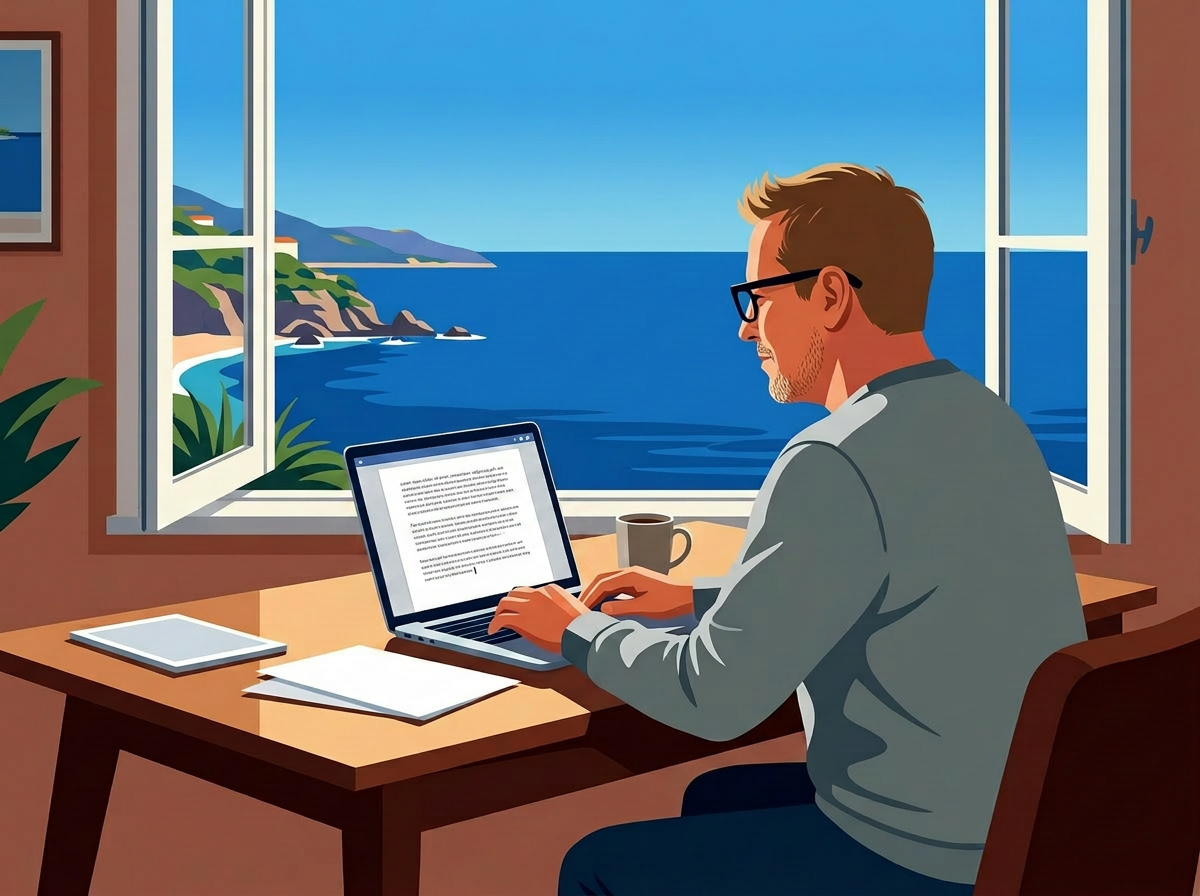
Human language in a world of artificial content.
Most of my writing starts with a conversation. Give me 30 minutes to interview someone and I can find the story worth sharing.
I’ve spent my whole career working with senior leaders and subject-matter experts on complex business and technology topics. My job is to ask the right questions and turn what I learn into content that sounds like the person or organization behind it.
Sectors I write about
01 — 08CONTENT I PRODUCE
01 — 08- 01
Thought Leadership
A good opinion piece should not sound like a committee agreed to publish it. CEOs, founders and technical experts at companies large and small trust me to ghost-write articles with structure, pace and a point of view worth reading.
- 02
Blogs and Updates
Companies need a consistent voice outside of major announcements. Blog posts and shorter articles keep internal and external readers informed about what the organization is doing. This kind of content represents a large share of my work.
- 03
Press & Trade Articles
Some announcements carry news. Others explain the context behind that news. I've written hundreds of press releases and trade articles sharing important developments with journalists, editors and industry readers.
- 04
Case Studies
I often interview specialists in technical industries, where the best details emerge from people talking naturally about their work. The real story lies in the complications that were overcome on the way to the result.
- 05
How-To & Explainers
A good tutorial works out what the reader needs to know and what can be left out. I often work from webinars, interviews and technical documents, shaping that material into educational pieces that move in the right order.
- 06
Q&A Interviews & Profiles
Sometimes the strongest story lies in the conversation itself. A good Q&A lets the interviewee carry the piece, while the writing quietly removes the hesitations of real speech and keeps the original voice intact.
- 07
R&D Projects
Research projects often involve many people and lots of moving parts. I look for what makes the work understandable outside the environment where it happened, so the piece becomes more than a record of who was involved.
- 08
Company Milestones
A new beginning, an anniversary or a founder story can all answer the same question: how did this organization become what it is today? These pieces work best when history is treated as a way to explain character and direction.


Get in touch
No brief needed. Please send your details and a few words if you like. I'll reply soon.
Send a message